
Nettle & Bone by T. Kingfisher: A Sharp, Spellbinding Fairytale About Sisters, Survival, and Stabbing the Right Men (Science Fiction and Fantasy Fridays)
Jamie @ Books and Ladders
06 June
3 Comments
Science Fiction and Fantasy Fridays introduces readers who are unfamiliar with the Adult SF/F genre to books, authors, and discussions all about the vast expanse of the world of Adult SF/F!

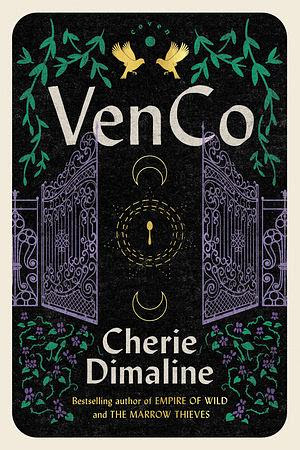
NETTLE & BONE
Author: T. Kingfisher

Series: N/A
Source: Purchased from Libro.fm
Publisher: Tor Books
Publication Date: April 26, 2022
Summary:
From Hugo, Nebula, and Locus award-winning author T. Kingfisher comes an original and subversive fantasy adventure.
This isn't the kind of fairytale where the princess marries a prince.
It's the one where she kills him.
Marra never wanted to be a hero.
As the shy, convent-raised, third-born daughter, she escaped the traditional fate of princesses, to be married away for the sake of an uncaring throne. But her sister wasn’t so fortunate—and after years of silence, Marra is done watching her suffer at the hands of a powerful and abusive prince.
Seeking help for her rescue mission, Marra is offered the tools she needs, but only if she can complete three seemingly impossible tasks:
—build a dog of bones
—sew a cloak of nettles
—capture moonlight in a jar
But, as is the way in tales of princes and witches, doing the impossible is only the beginning.
Hero or not—now joined by a disgraced ex-knight, a reluctant fairy godmother, an enigmatic gravewitch and her fowl familiar—Marra might finally have the courage to save her sister, and topple a throne.
.png)
Purchase*:
(note that these are affiliate links! I receive a small amount of compensation at no cost to you)
.png)
Content Warning: Domestic abuse (including physical, emotional, and marital abuse), Child loss / infant death, Forced marriage / lack of consent in marriage, Sexual coercion (implied, not explicit), Animal death (magical creature), Torture / bodily harm, Death / grief, References to past miscarriages / infertility, Murder / on-page violence, Mentions of stillbirth and pregnancy trauma
T. Kingfisher’s Nettle & Bone is the kind of book that makes you sit up straight and whisper “finally” — finally a fairytale that doesn’t tiptoe around the violence of the world but instead arms its heroine with a bone dog, a dust-wife, and a healthy hatred of tyrants.
From the very first page (minute? I listened to this), I was hooked. This isn’t a sweeping, high-octane epic. It’s a quiet, clever, sharp story — a slow-burn quest that reads like an old tale told under a blanket at midnight, but with modern teeth. And at the center of it all is Marra: a nun-turned-princess-turned-reluctant-heroine who does the one thing no one expects of her — something.
The emotional core of Nettle & Bone is Marra’s love for her sisters. Not romantic love. Not duty. Not glory. But raw, aching, protective love. It’s the kind of devotion that makes you willing to raise the dead, break curses, and destroy empires if it means saving the people you care about.
The portrayal of sisterhood here is everything. Tender without being saccharine. Honest about its limits, but unflinching in its power. I felt every moment of Marra’s helplessness as she watched her sisters suffer — and every beat of her resolve as she vowed to end the cycle.
Let’s be clear: this book is dark, but it’s not cruel. It doesn’t revel in suffering. It resists it. Every act of violence — especially against those who wield power carelessly or cruelly — feels earned, necessary, and strangely cathartic. There is something so satisfying about watching abusers face consequences in a world that so often forgives or forgets them.
This is a book that knows who the real monsters are — and it doesn't flinch when it's time to confront them.
Marra is not flashy. She’s not particularly magical. She’s just… stubborn. Determined. Tired of watching and ready to act. And that makes her one of the most compelling fantasy protagonists I’ve read in a long time. She’s older than most heroines in this genre, more hesitant, more worn down — but that just makes her braver.
I adored her. I rooted for her. And I wanted to wrap her in a blanket and tell her she was doing enough.
The supporting cast in this book is perfection. The dust-wife, with her no-nonsense energy and emotionally scarred chicken. The fairy godmother who is not here to give you what you want. The undead dog who still wants scritches. It’s whimsical without being twee, dark without being grim.
This book balances levity and horror so well that I would follow this ragtag group of oddballs into any cursed wasteland.
If you want a fantasy that’s short, fierce, and unafraid to call out the ugliness of the world while still believing in the goodness of unlikely people — Nettle & Bone is your book. T. Kingfisher has crafted a modern fairy tale that doesn’t ask women to be kind, polite, or quiet.
It gives them the tools to fight back.
No notes, just vibes, violence, and good dogs.


.png)


.png)


.png)